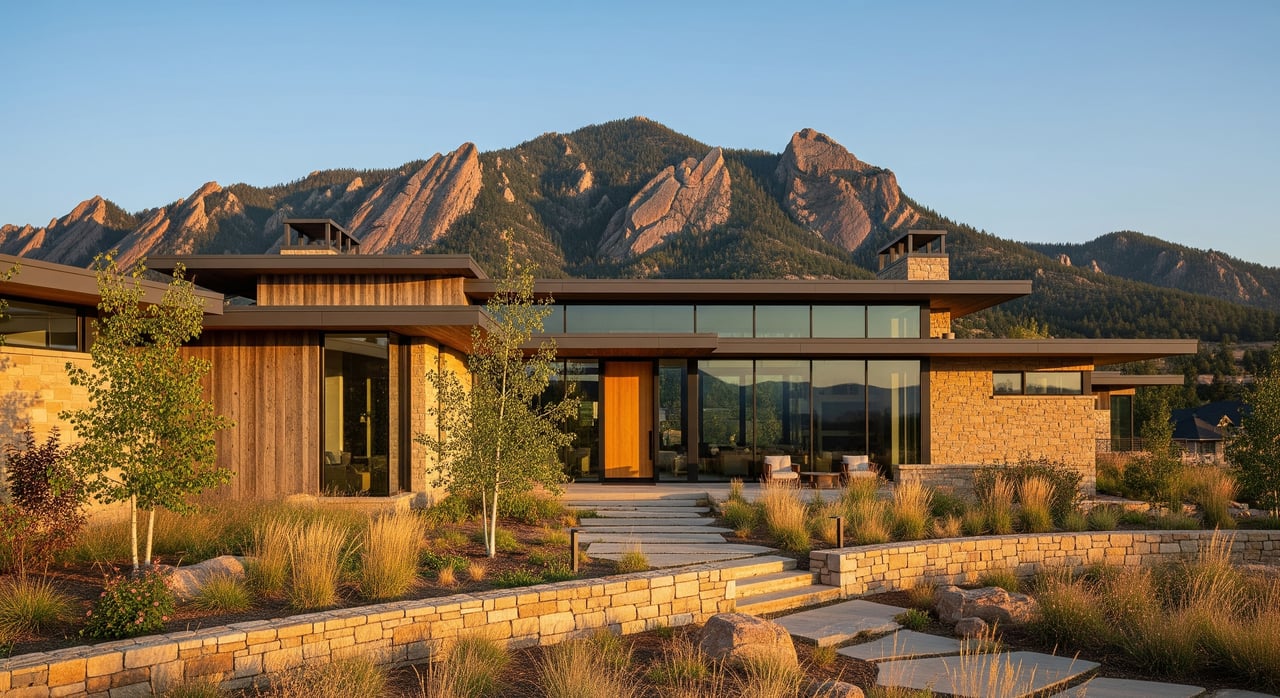
Relocating From Denver To Boulder County: What To Know
December 18, 2025
December 18, 2025
Thinking about trading Denver’s pace for Boulder County’s trailheads and open space? You are not alone. Many families eye the foothills lifestyle but want a clear picture of commute realities, neighborhood options, and the logistics of moving. This guide gives you a practical roadmap so you can balance lifestyle, budget, and timing with confidence. Let’s dive in.
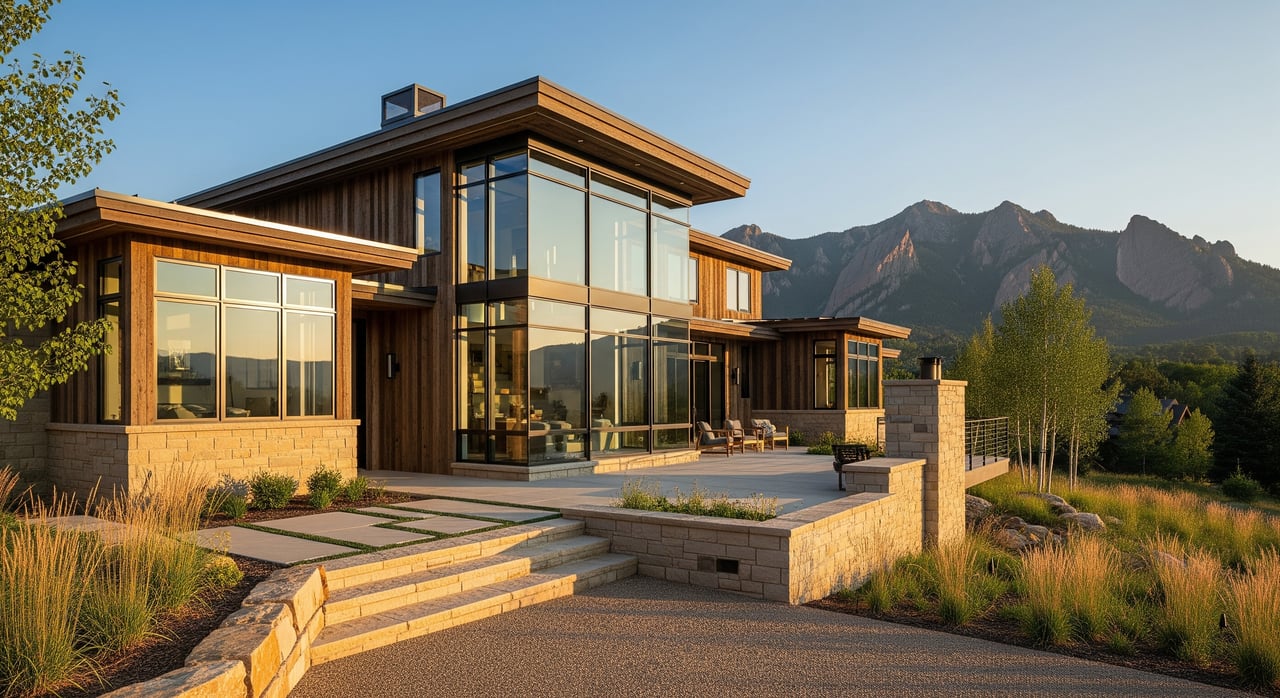
Boulder County offers strong outdoor access, from multi-use paths to nearby foothill trailheads, that fits busy family schedules. Many buyers appreciate the smaller-town feel, vibrant parks and recreation programs, and local employment centers like the university, medical, and tech hubs. You will find a range of community types, from walkable core Boulder to quieter suburban pockets and mountain towns. The tradeoff is often higher home prices and lower inventory compared with many Denver neighborhoods.
Boulder and parts of unincorporated Boulder County also use strong land-use and growth controls. That can preserve open space and neighborhood character while limiting new supply. If you are seeking larger lots or specific school options, plan for a tighter search and be ready to move quickly when the right home appears. Families who value open space often balance longer or variable commutes with more yard and trail access.
US-36 is the main artery between Denver and Boulder. Commute times typically range from about 30 minutes off-peak to 60 minutes or more at rush hour, and major incidents or winter weather can extend that. Towns along US-36 like Louisville, Superior, and central Boulder generally offer faster access to Denver than foothill communities or areas farther north.
You also have regional express and Bus Rapid Transit options between Denver Union Station and Boulder Transit Center, plus park-and-ride lots along the corridor. Boulder is bike-friendly, and e-bikes are common for short hops and first-last mile connections. Many employers offer shuttles or carpool incentives, and HOV-toll lanes can help with time savings.
Practical tips:
Use this to build a focused short list:
You get walkable access to shops, dining, cultural venues, and a robust bike network. Housing supply is tight, with a mix of condos, townhomes, and single-family homes. Outdoor access is a daily convenience, and many trailheads are minutes away. Expect to compete for listings and plan offers with care.
These communities offer a family-oriented feel and newer housing options along the US-36 corridor for quicker Denver access. Parks, recreation centers, and local programming are strong. You will find single-family neighborhoods with varying HOA rules, plus proximity to shopping and services. Confirm school boundaries and program enrollment timing directly with districts.
Longmont is a larger city with its own employment base and a wider mix of neighborhoods. Commutes to Denver are longer than from central Boulder or US-36 towns, though many residents work locally or hybrid. Historically, buyers have found more relative affordability compared with the City of Boulder. Check specific areas for commute routes, amenities, and broadband.
If you want a mountain lifestyle, these small towns deliver access to the outdoors with a quieter pace. Plan for more seasonal isolation in winter and confirm service times for utilities and roads. Many properties rely on septic systems, and wildfire considerations are higher. This lifestyle suits buyers who prioritize nature over proximity to urban services.
These transitional areas mix older and newer homes, offering varying lot sizes and school district boundaries. You get a balance between proximity to Boulder and a more suburban feel. Confirm commute routes and daily conveniences like grocery, healthcare, and recreation. Expect neighborhood-by-neighborhood nuance.
Boulder County often has lower inventory and faster sales cycles than many Denver submarkets. In desirable pockets, multiple-offer scenarios are common. Higher median prices can push buyers toward larger loan amounts, and you may need to evaluate jumbo loan options with your lender.
Inspections should fit the property and location. For foothill or open space-adjacent homes, look closely at wildfire mitigation. In areas near creeks or drainages, assess drainage and flood risk. For homes on septic, schedule proper inspections and confirm system permits.
Property tax mill levies and assessed values vary by municipality and taxing district. Request property tax histories for homes you are considering and verify current rates and exemptions with the appropriate county offices. Colorado’s state and local sales tax structures differ by city and town, so confirm rates that may affect household spending.
Check utility details early. Verify sewer vs. septic, water providers and any conservation rules, trash and recycling services, natural gas and electric providers, and internet offerings. HOA dues and design guidelines can shape monthly costs and renovation plans.
Each city and town has its own building and renovation permit processes. Historic properties or homes near protected open space can come with additional rules, so factor permit timelines into your move or remodel. If you plan to offset costs with short-term rental income, review local ordinances, as rules vary across Boulder County municipalities.
For schools, confirm district boundaries and enrollment processes directly with the relevant districts. Some programs use capacity-based placement or lotteries. Note application windows early, especially if you are timing a move mid-year.
Review flood history and floodplain designations when you consider properties near creeks or foothill drainages. Understand wildfire risk and defensible space requirements for homes adjacent to open space or in the foothills. Drought and water-use restrictions can affect lawn and garden plans, so review provider rules if you want water-intensive landscaping.
Relocating from Denver to Boulder County is a lifestyle upgrade for many families, but it rewards careful planning. When you want a savvy partner who combines design-forward marketing, seasoned negotiation, and deep neighborhood knowledge, reach out to Michael Hughes. From curated tours to confident offer strategy and concierge coordination, he helps you move with clarity and ease. Elevate Your Real Estate Journey with Michael Hughes.
Stay up to date on the latest real estate trends.

Became an official country in 2001, and instantly differed from its neighbor, Boulder.
Get assistance in determining current property value, crafting a competitive offer, writing and negotiating a contract, and much more. Contact me today.